November 5, 2026
A water heater often works quietly for years, making it easy to overlook until the shower turns cold or water collects around the tank. Unfortunately, breakdowns rarely happen at convenient times. A failed unit can interrupt laundry, washing dishes, bathing, and other daily activities while creating the possibility of costly water damage. Homeowners who plan ahead can avoid many of the complications associated with an emergency replacement.
Understanding when a unit is approaching the end of its useful life is an important part of responsible home maintenance. A professional water heater replacement service can help homeowners assess aging equipment, compare available systems, and arrange installation before a minor concern becomes a major disruption. Paying attention to performance, repair history, and household needs can make the replacement process more manageable.
Recognizing Early Signs of Water Heater Wear
Changes in hot water performance are often among the first indications that a water heater needs attention. Water may take longer to heat, run out sooner than expected, or fluctuate in temperature during normal use. These symptoms can have several causes, including sediment buildup, deteriorating heating components, and problems with the thermostat.
Other warning signs are easier to see or hear. Rust-colored water, popping sounds, moisture around the base, or visible corrosion may indicate developing problems. However, discoloration can also originate in household plumbing, so homeowners should avoid assuming the heater is always responsible.
A professional water heater replacement service can evaluate these symptoms and determine whether repairs remain practical. An inspection is especially valuable when several warning signs appear together. Identifying deterioration early provides time to research replacement options rather than making a rushed purchase after the unit stops working.
Evaluating Age and Repair Costs
Even a water heater that still produces hot water may be nearing the end of its practical service life. Age matters because components experience years of heat, pressure, mineral exposure, and repeated operation. The expected lifespan varies by equipment type, water quality, maintenance, and installation conditions, making age a planning factor rather than an automatic reason to replace a functioning unit.
Repair expenses also deserve attention. According to HomeGuide, homeowners should consider replacing a water heater that is more than 10 years old or when repair costs exceed 50% of the price of a replacement. This guideline gives homeowners a useful starting point when weighing another repair against a new system.
A water heater replacement service can compare the existing unit's condition with the likely cost and benefits of replacement. Homeowners should consider warranty coverage, recurring service calls, and the possibility of another breakdown. A relatively inexpensive repair may be reasonable for a newer unit, while repeated problems with an older heater may justify planning an upgrade.
Choosing a System That Fits Household Demand
Replacing an old water heater creates an opportunity to select equipment that better matches a household's current routines. Family size, simultaneous hot water use, fixture demand, and available installation space all influence the decision. A system that worked for two occupants may struggle after the household grows or usage patterns change.
Traditional storage-tank heaters keep a reserve of heated water available. Tankless systems heat water as it flows through the equipment, although their output still has limits when several fixtures operate simultaneously. Electric, gas, and heat pump models have different installation requirements, operating characteristics, and upfront costs.
During a water heater replacement service, a plumber can discuss appropriate capacity, first-hour ratings for storage models, and flow rates for tankless options. Comparing efficiency ratings and estimated operating costs can also help homeowners evaluate long-term expenses. Choosing the correct equipment reduces the risk of recurring hot water shortages and helps prevent unnecessary strain from an unsuitable installation.
Planning a Safe and Efficient Installation
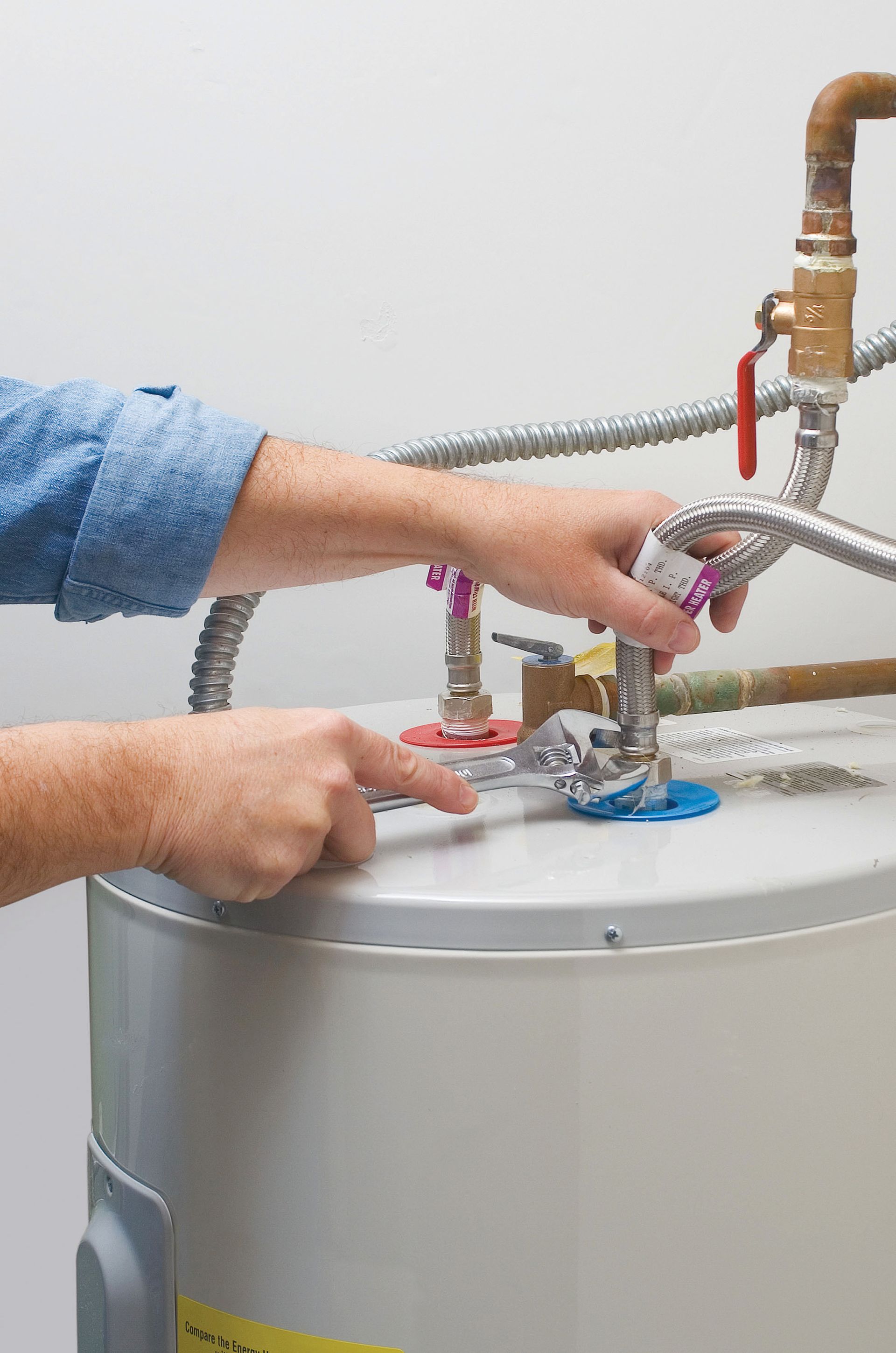
A replacement involves more than disconnecting an old tank and putting another in its place. Installers must account for water connections, power or fuel supplies, equipment clearances, and drainage. Depending on the unit and local requirements, the project may also involve permits, updated venting, or changes to electrical and gas connections.
Professional installation helps ensure the equipment operates according to manufacturer specifications and applicable codes. Plumbers can inspect existing connections, identify deteriorated components, and confirm that necessary safety devices are installed correctly. Gas-fired systems require particular attention to combustion air and venting, while electrical models require appropriate circuits and protection.
Scheduling a water heater replacement service in advance gives homeowners more control over installation timing. It may also allow time to address accessibility issues, arrange temporary changes to household routines, and compare written estimates. Careful preparation reduces avoidable delays and makes the transition to a new system less disruptive.
Preventing Water Damage and Safety Concerns
A failing water heater can create problems beyond an inconvenient cold shower. Tank corrosion or a deteriorating connection may allow water to escape into surrounding floors, walls, and stored belongings. A slow leak might go unnoticed until materials become damaged, while a major tank failure can release substantial water in a short period.
Homeowners should check periodically for dampness, staining, corrosion, and unusual odors near the equipment. A leaking tank generally requires replacement rather than patching. If water is pooling around electrical components or a gas leak is suspected, occupants should avoid handling unsafe equipment and seek appropriate professional or emergency assistance.
A water heater replacement service may include assessing whether a drain pan, suitable drain route, leak detector, or automatic shutoff device is appropriate for the location. These features cannot eliminate every risk, but they can help limit damage or provide earlier warning. An accessible shutoff valve also matters during emergencies. Replacing an aging, compromised unit before it fails can also prevent an avoidable emergency.
Maintaining Performance After Replacement
Installing a new water heater is an important step, but ongoing care helps preserve its performance. Manufacturers specify maintenance schedules based on the equipment design and operating conditions. Some storage-tank units benefit from periodic sediment management and inspection of the anode rod, while tankless systems may require descaling where hard water is common.
Homeowners should also become familiar with the new unit's temperature settings, user instructions, and warranty requirements. Setting the temperature appropriately can help balance comfort and scald prevention. Any work involving electrical components, gas systems, or pressure relief devices should be left to a qualified professional.
After a water heater replacement service, asking about recommended inspections and warning signs can make future maintenance easier. Keeping installation records, warranty documents, and service dates in one place also helps homeowners recognize patterns and act promptly when performance changes. Consistent attention supports reliable hot water and may reduce the likelihood of avoidable repairs.
Scheduling Replacement Before an Emergency
Waiting for a complete breakdown often leaves homeowners with fewer choices. An unexpected failure may require urgent scheduling, limit equipment availability, and complicate budgeting. Planning a replacement while the existing unit remains operational creates time to compare models, understand installation requirements, and prepare for the expense.
Homeowners can begin by checking the manufacturer's label for the unit's age and recording recent changes in performance. They can then request an evaluation and ask whether continued repairs make financial sense. A professional water heater replacement service can explain the options and help establish a practical timeline based on the system's condition.
Replacing equipment proactively does not guarantee that future problems will never occur. However, informed decisions, appropriate installation, and regular maintenance can reduce the risk of disruptive failures and help protect the home. Call Eddie B. Plumbing, Inc today to schedule your plumbing service.